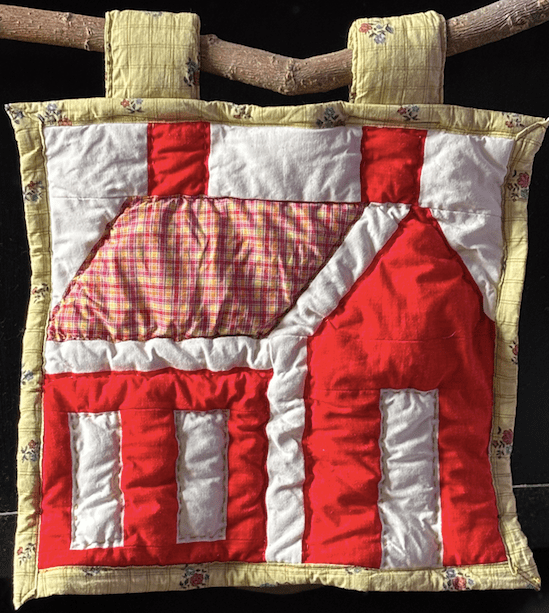
The durational aspects of doing craft are important to our research process, and help us think about time, making, translating thought into objects, understanding our experiences and ways that writing might be encountered other than on the page.
Our PhD focused on performance writing and this continues to inform our practice. One of the characteristics we gave to performance writing is that it is ‘fundamentally characterised by its embedding and commitment to process, which includes the interrelationship between processes of making and their reception’ (Green and Owens, 2023:146). We use craft in the production of writing, as writing and making share temporal qualities and they are both reflective, thinking processes.
Our performance writing is often expressed or disseminated through objects, and as such making these objects becomes part of the devising process. There is also importance in the process of making and the personal languages and insights that develop through this that risks erasure with AI tools (whether this be craft, writing, illustration, something else). Craft is anti-production-line, resisting the rigidity of the production line, and restores creativity and puts back autonomy into the hands of the maker.
During our PhD we worked (amongst other jobs) jobs that we referred to as our ‘shit jobs’. These were insecure, minimum wage, where corners were cut and income was lost if we were sick, had zero hour contracts and offered little creativity or autonomy. The advantage of these jobs was their flexibility. In these roles we were often seeking ways to speed up time, and craft sat at the antithesis of this, as a way to slow down time outside of work; to sit with the process of making, of giving time tangible form. Obviously this doesn’t always work, such as if you have a deadline to make something.
Making is a durational experience. Henri Bergson describes duration as a subjective and individual experience of time, ‘a multiplicity of different presences’ (Green and Owens, 2023:177).
For our duration is not merely one instant replacing another: if it were, there would never be anything but the present — no prolonging of the past into the actual, no evolution, no concrete duration. Duration is the continuous progress of the past which gnaws into the future and which swells as it advances. (Bergson, 1911: 12)
Craft has its own duration in making, is a subjective experience of time for the maker, and is reflective of the maker as a durational being; one undergoing their own changes and process of becoming.
The connection between language, performance writing, object making and craft may not always be explicit – not all crafts documented on this page fall under performance writing. However, craft remains important to us because it always shares those temporal qualities with thinking about and doing writing, and producing art. There is a rhythm to sewing, knitting, bookbinding, that shares a pace with walking, swimming, writing. It also remains significant in terms of accessing our own skills and resources when making work – a DIY approach that we can utilise with few resources, space or on a tight budget.
Here we show some of our craft projects. Some of these are part of our arts practice, and some of these are our hobby projects.
Bergson, H. (1911) Creative Evolution. Translated by Arthur Mitchell. Creative Space Independent Publishing Platform.
Green, C. & Owens, K., PERFORMANCE WRITING, OBJECTS and MILLENNIAL PRECARITY: A co-authored PaR exploration between friends. A thesis submitted to the University of Plymouth in partial fulfilment for the degree of Doctor of Philosophy, School of Art, Design, and Architecture. October 2022, awarded 2023.
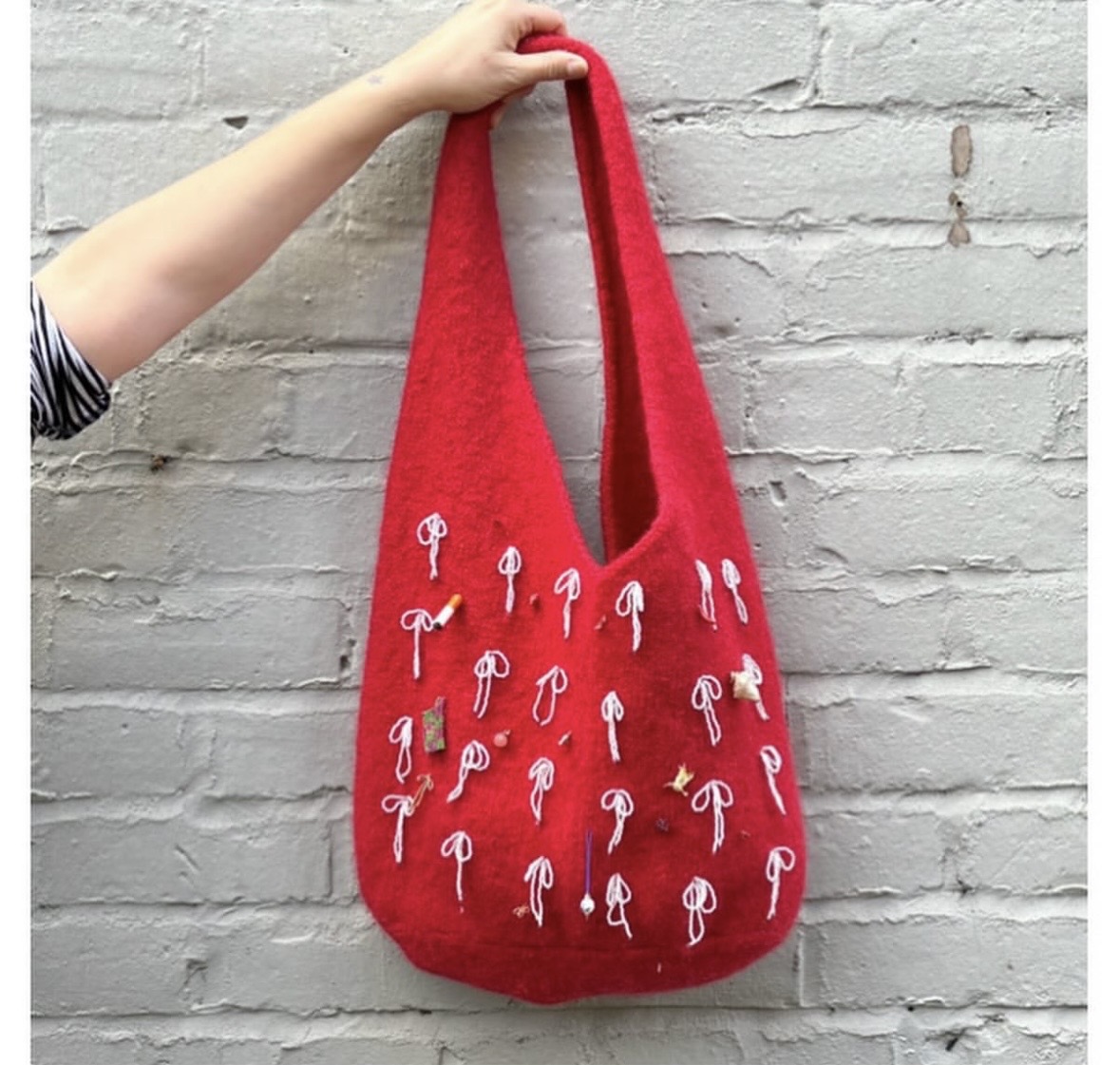
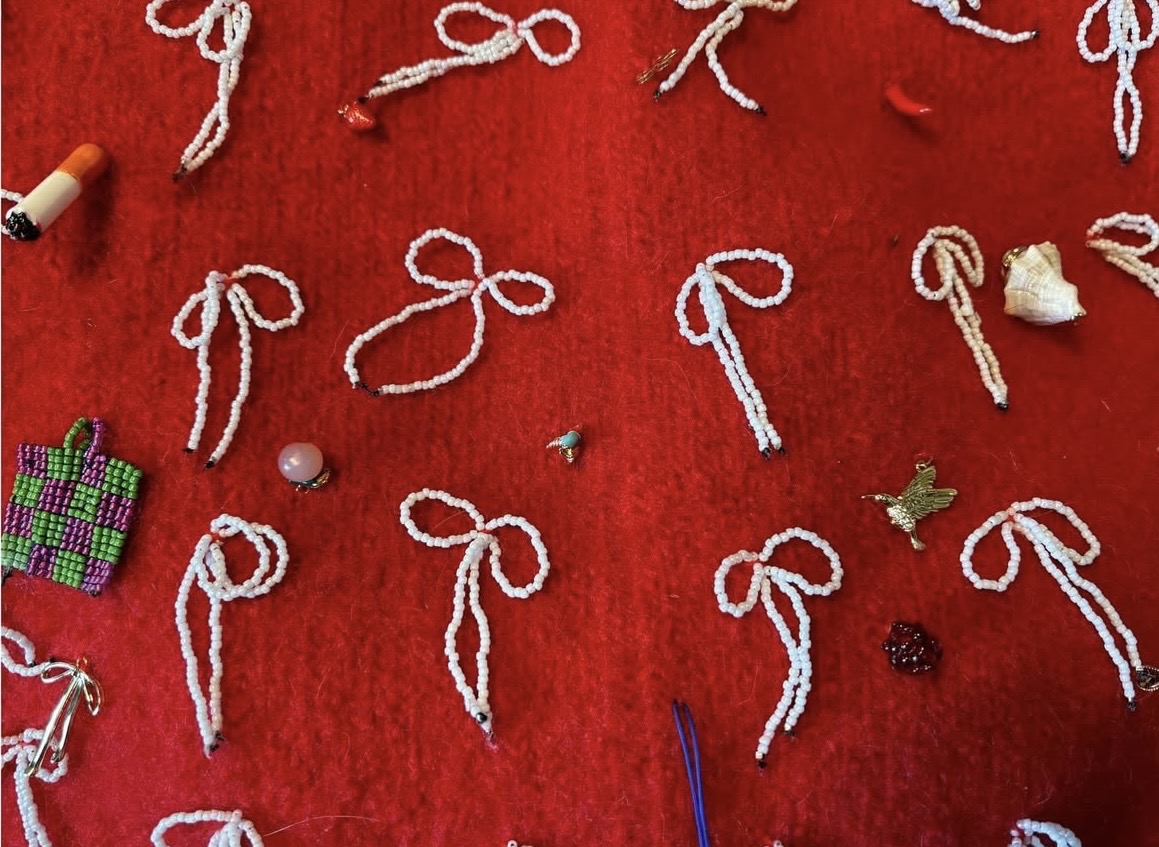
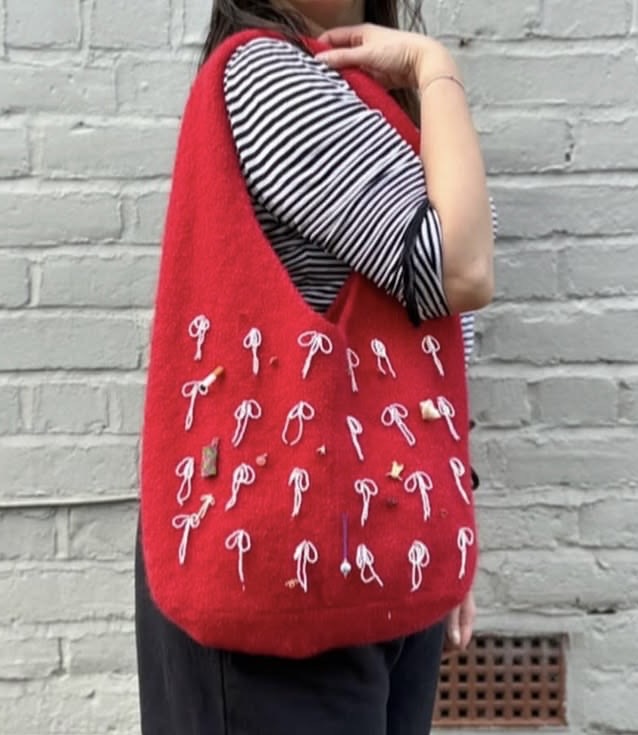
Bag made with 100% pure British sheep roving wool. Knitted oversized and felted through machine washing. Embellished with found charms and bows made of glass beads.
The pattern this was adapted from is available is by Olga Lambert and available here.
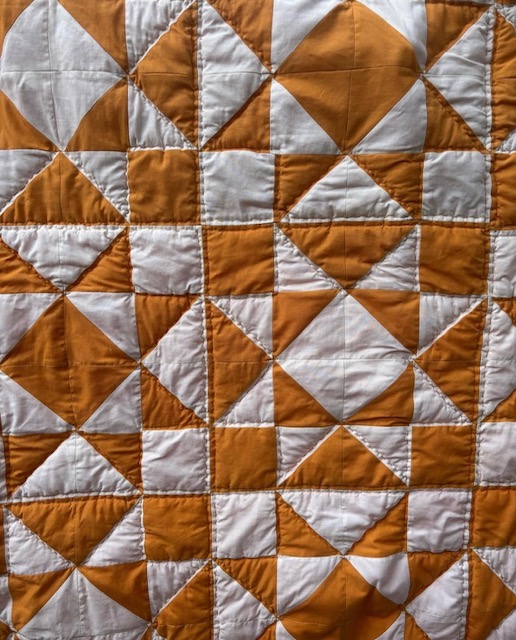
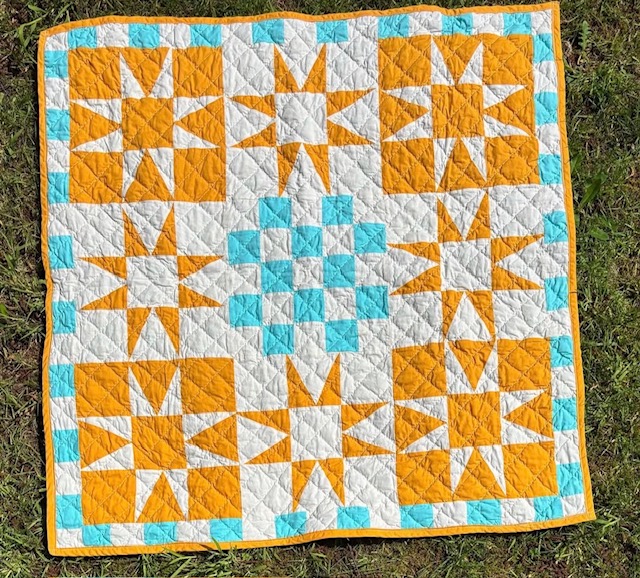
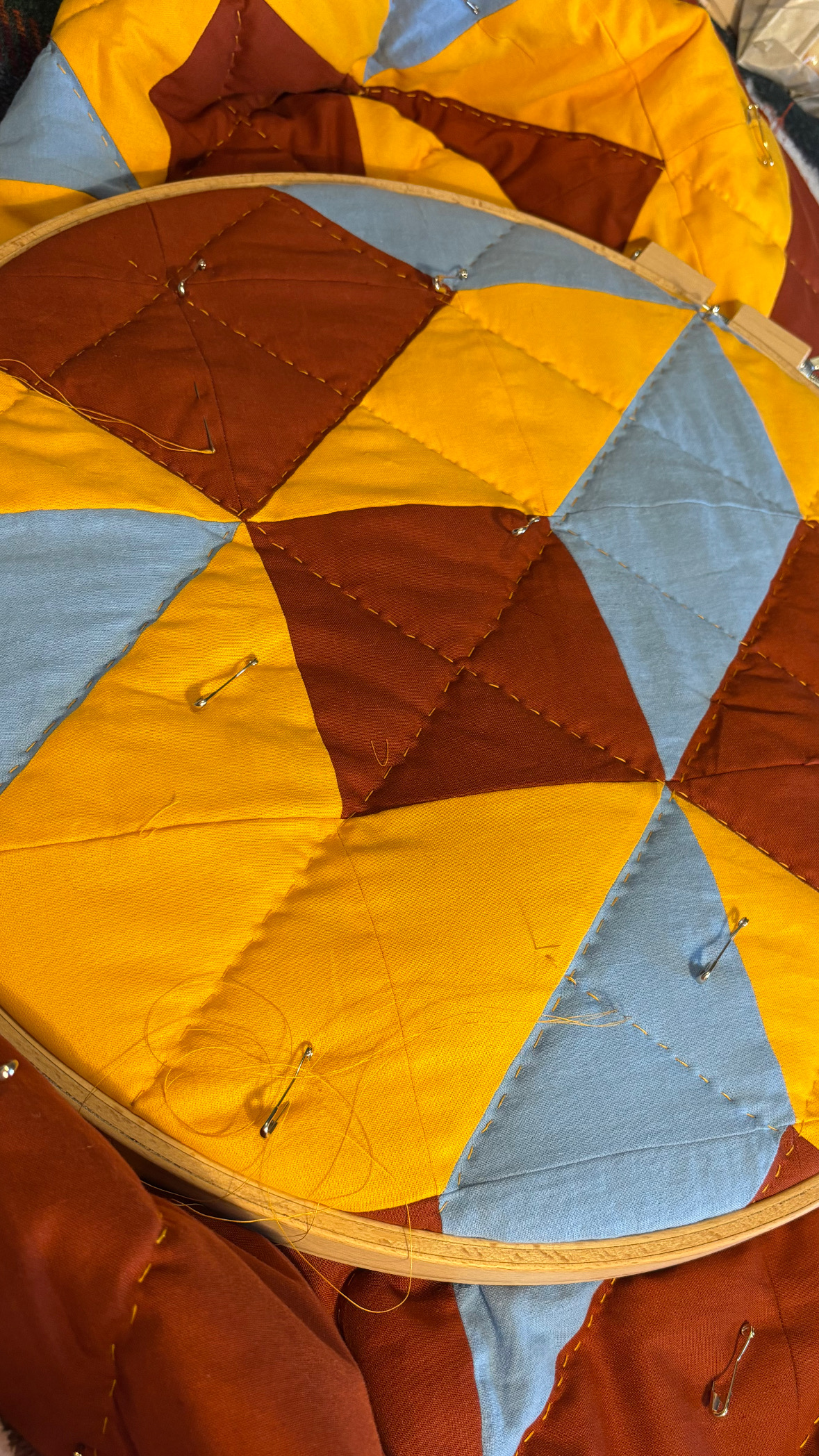
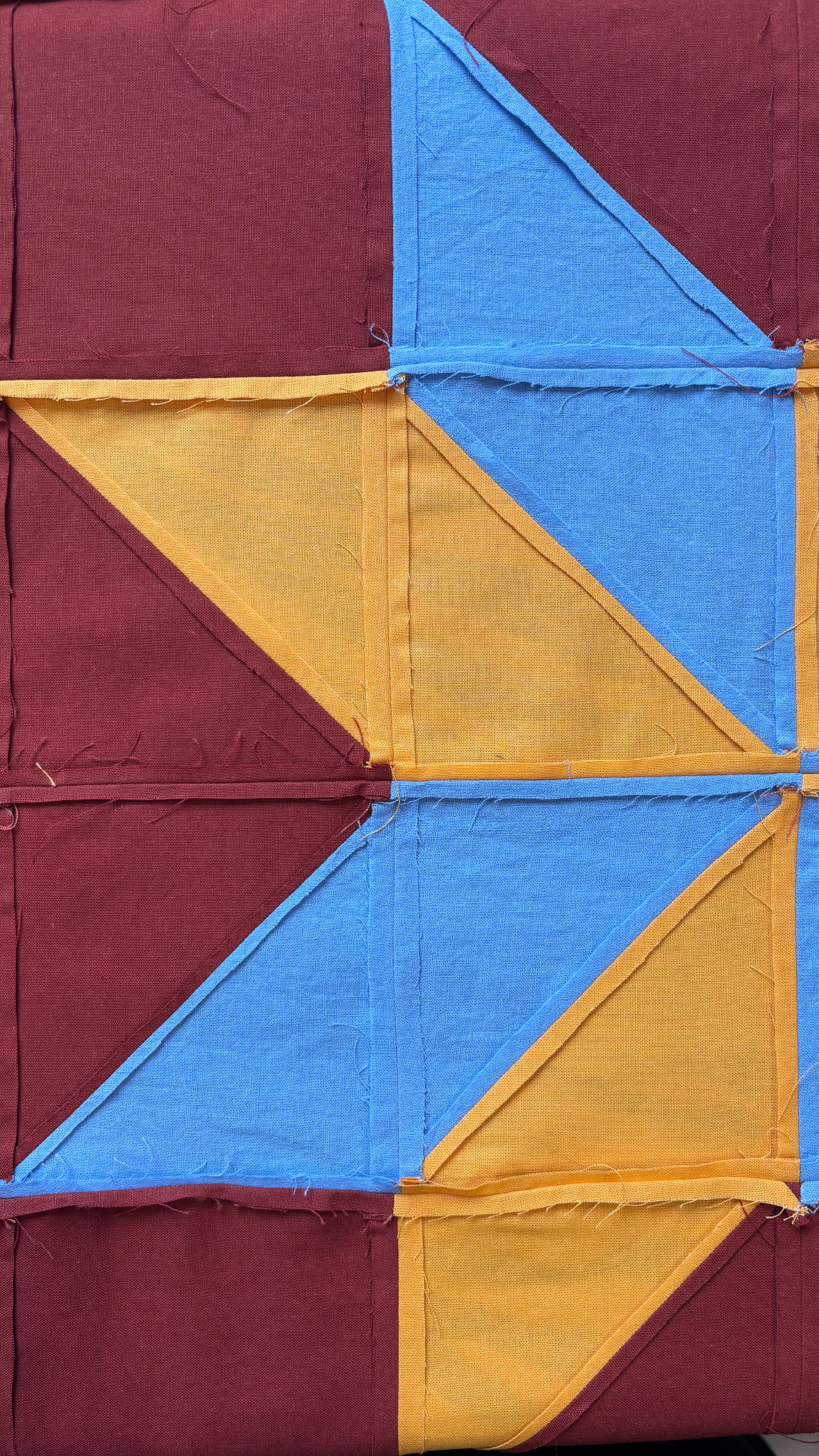
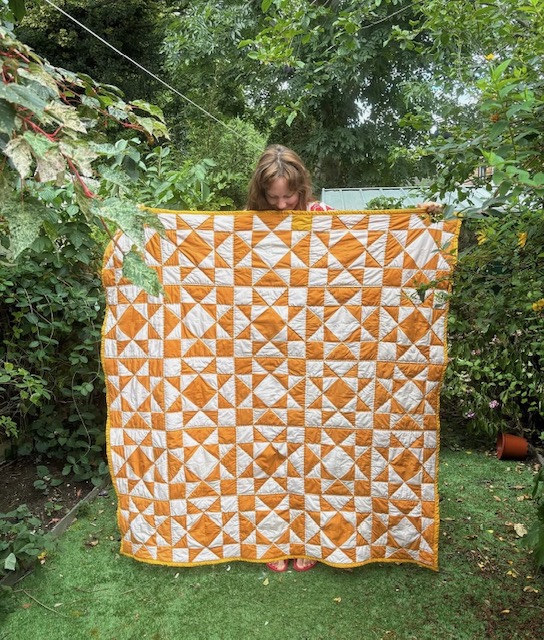
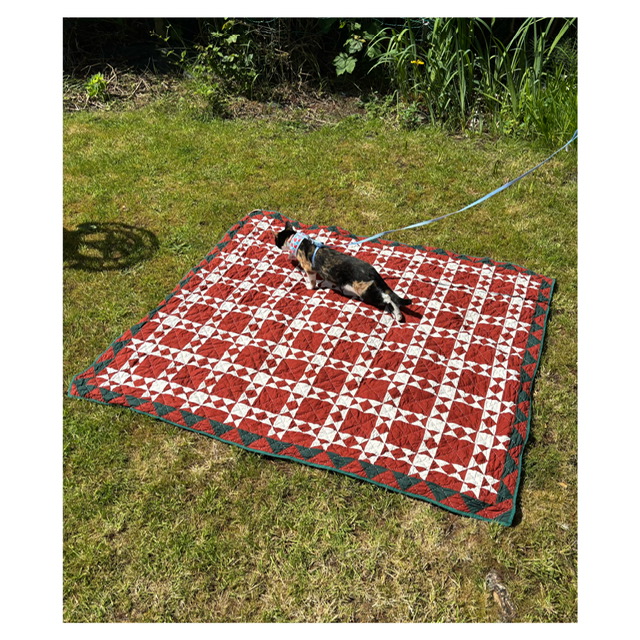
Quilts (various dimensions) made with 100% cotton quilting fabric for quilt tops and backing. Wadding is sourced from 100% cotton wadding or polyester wadding depending on availability. Sewing thread is cotton or polyester, quilting cotton is 100% cotton. Machine pieced and hand quilted using a quilting hoop. Details show the guts of the quilt top and texture of quilting.
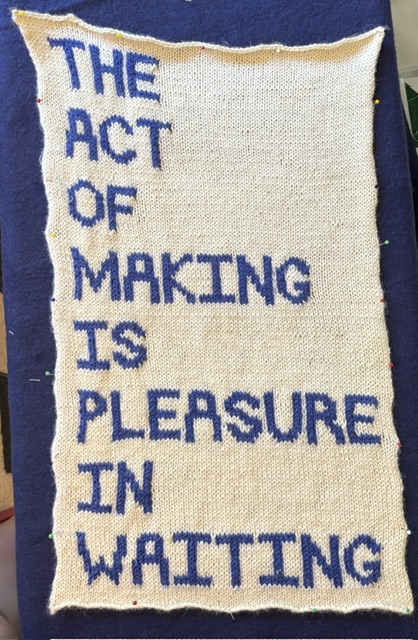
Banner prototype knitted in aran weight pure British sheeps breeds wool. The quote is taken from our PhD thesis.

