Image credit Rosy Whitmore
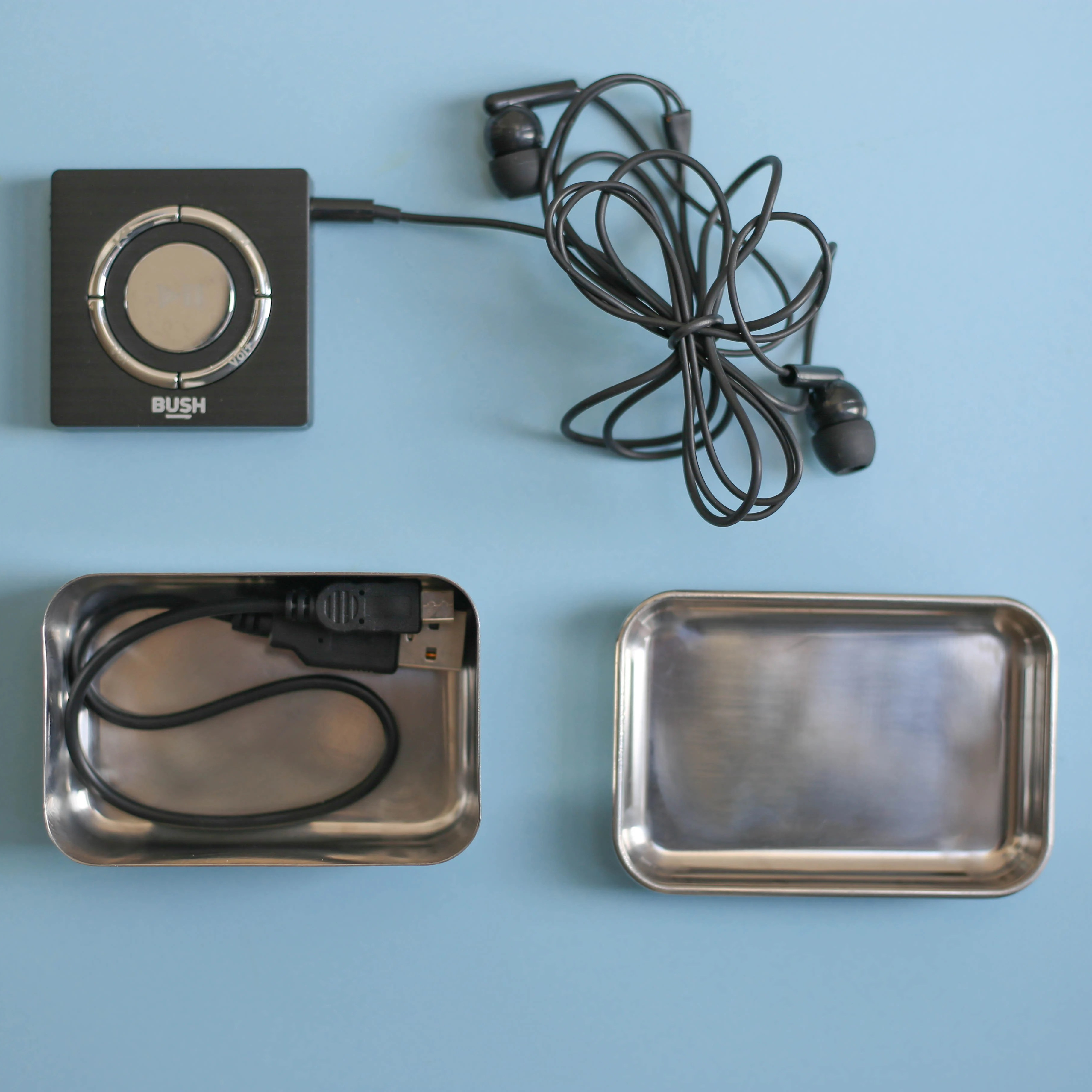
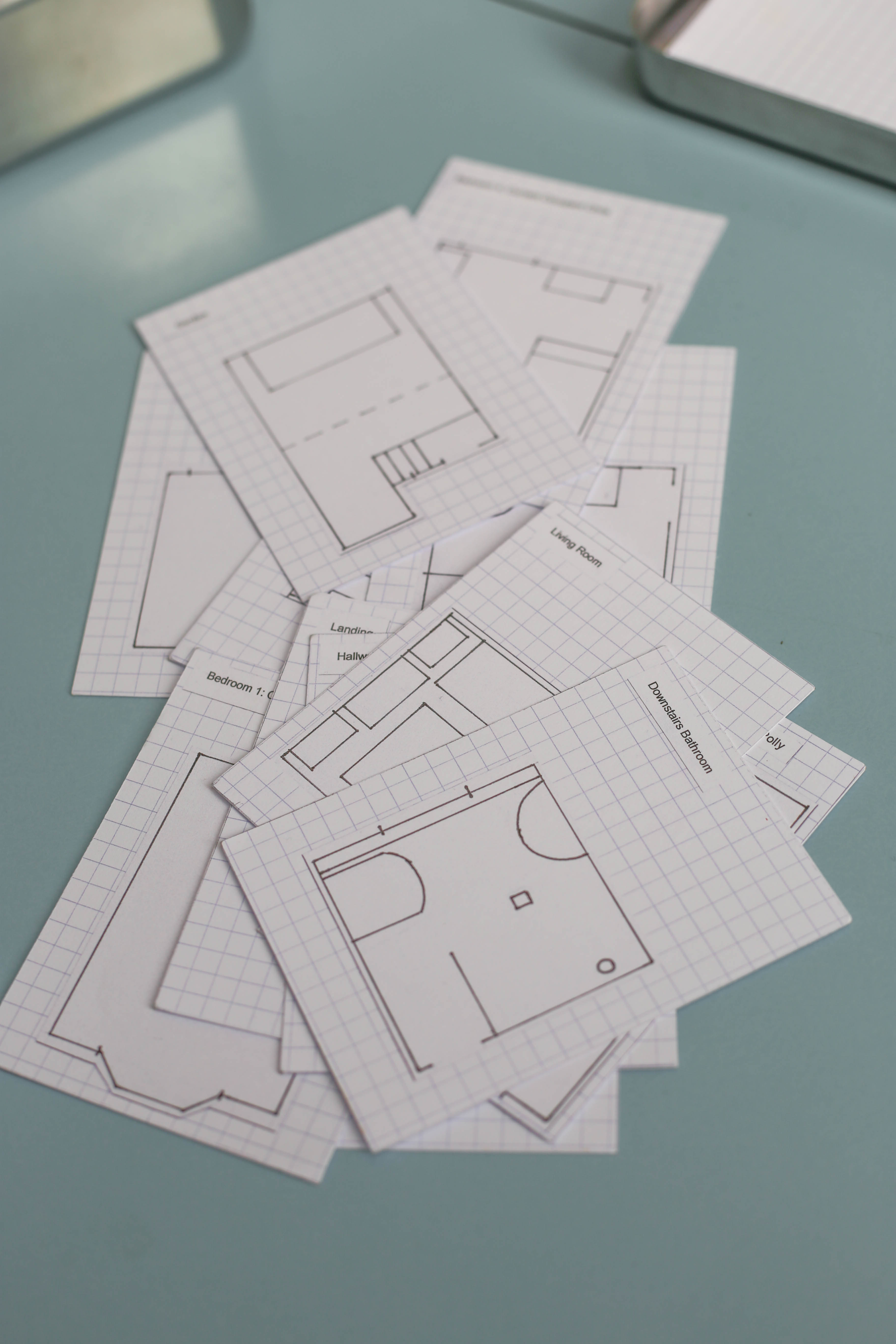


The box houses various elements of documentation that came out of an ongoing investigation into domestic precarity, as part of our PhD research. The box consists of a series of performance event scores, maps, and an audio guide. The intention is that the reader is able to co-author their own private performance, inhabiting their own environment and the environment the work was created in simultaneously.

The audio takes the listener on a tour of our shared home (from 2015-2018), which is accompanied by a series of maps. The detail on the maps is dependant on how well we know the room it depicts; for instance, our personal private and communal spaces are more detailed than other housemates rooms.

House Box celebrates a particular house we shared with various other people, and charts the shifting relationships in that house, and the different attempts to make this space a home.

It describes moments of familiarity (recognising the sound of a housemates footsteps on the stairs, a wonky lock that has to be turned in a particular way) with moments of uneasiness and feeling that this home is a liminal space; in a constant state of flux, that as tenants we cannot know how long we will be able to enjoy it.

House Box produced the journal article ‘Performing millennial housing precarity: how (not) to live together’ in Studies in Theatre and Performance: Housing Activism and Performance special issue, (February 2020, Vol 40) 27(6-7), pp. 44–53. More information can be found under Writing.
 greenandowens